

Cryptocurrency Demystified
A Beginner’s Guide
Introduction
Cryptocurrencies have emerged as a disruptive force, reshaping the way we perceive money, investments, and financial transactions. Whether you’re a curious novice or an aspiring crypto enthusiast, let’s demystify the fundamentals.
What is Cryptocurrency?
At its core, cryptocurrency is a digital or virtual form of currency that uses cryptography for secure transactions. Here are key points to understand:
- Decentralization: Unlike traditional fiat currencies (such as the US dollar or euro), cryptocurrencies operate on decentralized networks. No central authority (like a government or bank) controls them.
- Blockchain Technology: Most cryptocurrencies rely on a technology called blockchain. A blockchain is a distributed ledger that records all transactions across a network of computers. Each transaction forms a “block,” and these blocks are linked together in a chronological chain.
- Security and Anonymity: Cryptography ensures the security and privacy of transactions. Users can send funds pseudonymously, without revealing their real-world identities.
Popular Cryptocurrencies
Let’s explore a few prominent cryptocurrencies:
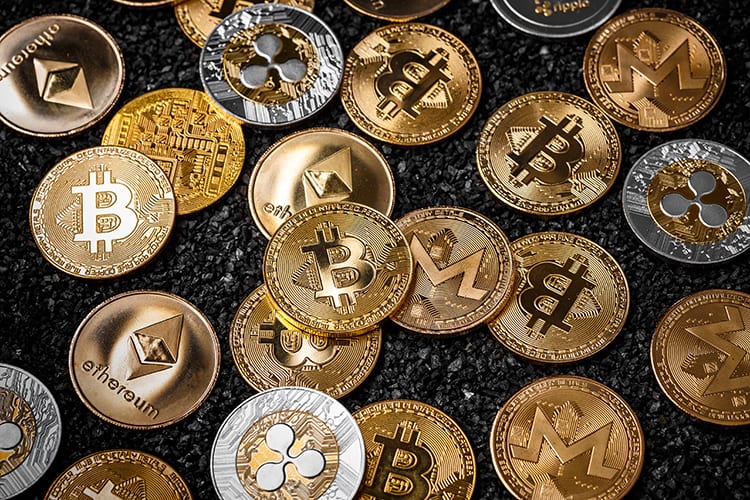
- Bitcoin (BTC):
- The pioneer and most well-known cryptocurrency.
- Created by an anonymous person (or group) known as Satoshi Nakamoto.
- Limited supply (only 21 million BTC will ever exist).
- Often referred to as “digital gold.”
- Ethereum (ETH):
- Beyond being a cryptocurrency, Ethereum is a decentralized platform for building decentralized applications (DApps).
- Smart contracts, which automate agreements, run on the Ethereum network.
- Vitalik Buterin co-founded Ethereum.
- Other Altcoins:
- Thousands of alternative coins (altcoins) exist, each with unique features.
- Examples include Cardano (ADA), Binance Coin (BNB), and Solana (SOL).
How to Get Started
- Educate Yourself: Learn about the basics, including wallets, private keys, and exchanges. Understand the risks and volatility associated with crypto investments.
- Choose a Wallet: A wallet stores your crypto securely. Options include hardware wallets, software wallets, and mobile apps.
- Select an Exchange: Exchanges allow you to buy, sell, and trade cryptocurrencies. Research reputable exchanges and consider factors like fees, security, and available coins.
- Invest Wisely: Start small, diversify, and never invest more than you can afford to lose.
Conclusion
Cryptocurrencies are reshaping finance, challenging traditional systems, and empowering individuals worldwide. As you embark on your crypto journey, remember to stay informed, exercise caution, and explore this fascinating realm with curiosity.
Disclaimer: This blog post provides introductory information and does not constitute financial advice. Always conduct your research and consult with professionals before making investment decisions.
Learn more about cryptocurrencies:
Leave a Reply